Professional Supplier of Laboratory Scientific Instruments
Professional Supplier of Laboratory Scientific Instruments
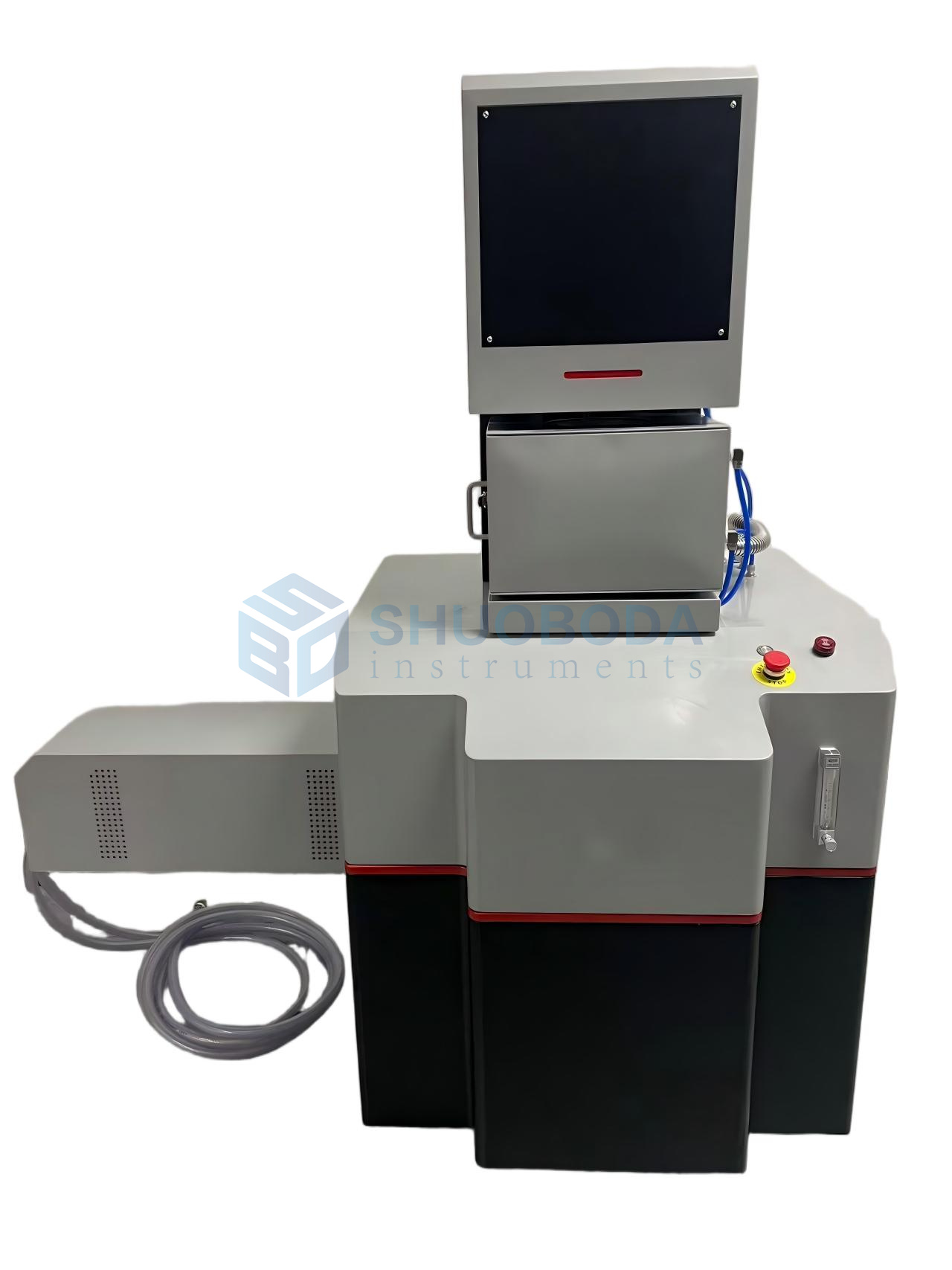
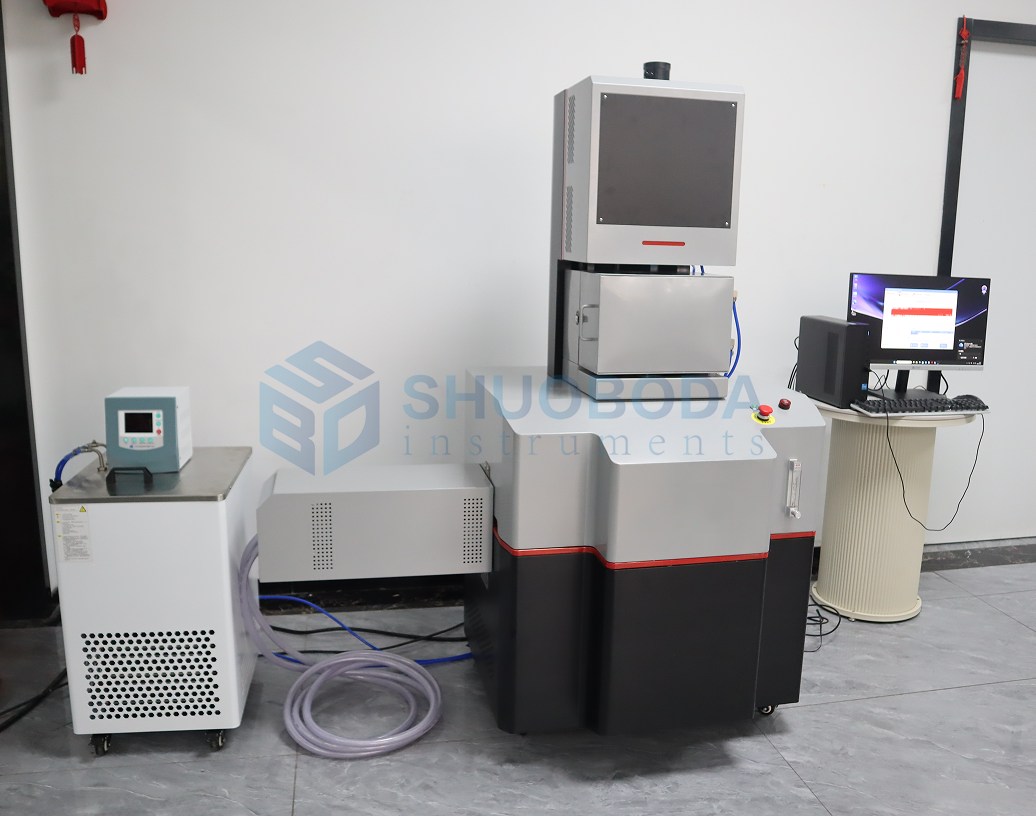
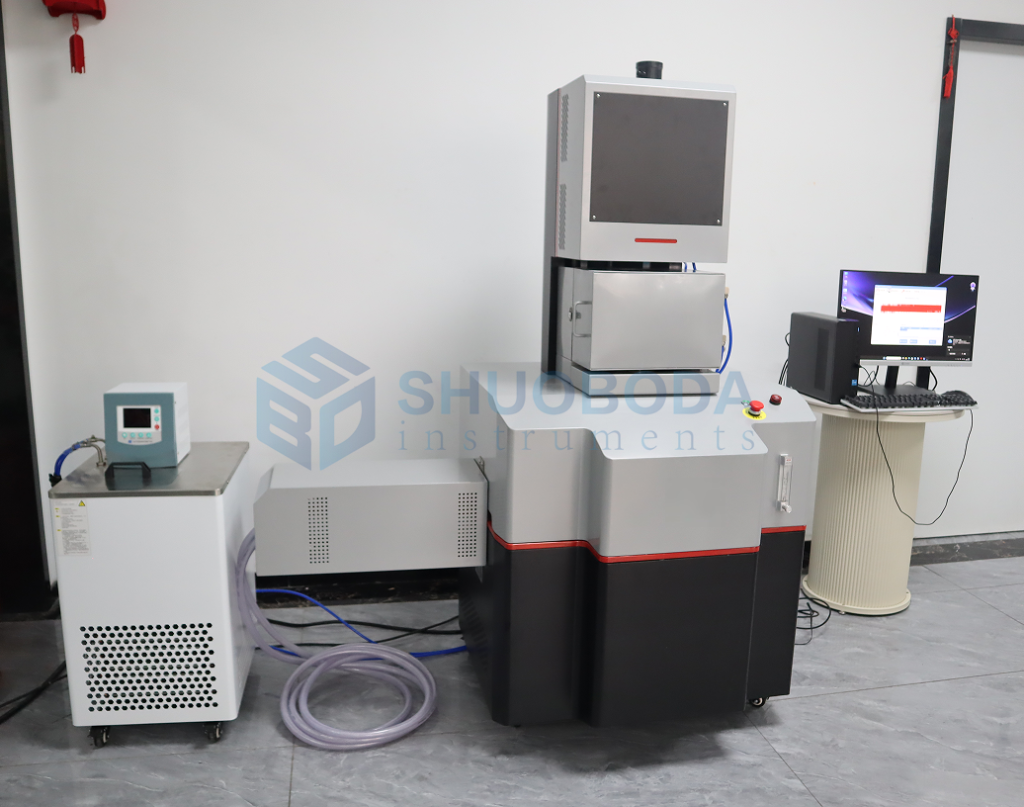
Thermal conductivity and thermal diffusivity tester - laser flash method is one of the most advanced and widely used techniques for measuring the thermal diffusivity (α) of materials and subsequently calculating the thermal conductivity (λ).
Its core advantages lie in its high measurement speed, extremely wide temperature range, broad material applicability, non-contact operation, and small sample size. Although it has certain requirements in sample preparation, data processing models, and indirect calculation of λ, it has become an indispensable thermophysical property testing tool in materials science research (new material development) and industrial quality control (such as electronic heat dissipation materials, aerospace thermal barrier coatings, nuclear materials, and battery materials). Understanding its principles, processes, advantages, and disadvantages is crucial for the correct use of the instrument and the interpretation of data.
ASTM E1461 - 22,HB 5484-2011,YS/T 1257-2018,JC/T 2370-2016
GBT 42919.4-2023
ISO 18755:2005
ISO 22007-4:2017
GB/T 22588-2008
GB/T 10297
GB/T 35965-2018;
GB/T 32065.4-2020
| Model | TCT-X901A |
| Control System | PLC control system + Windows system |
| User Interface | Desktop computer (12th generation i3-12100, 8G, 512G) 23.8-inch eye-protection screen, curve display, WiFi connection, Chinese/English switching |
| Laser Element | Infrared detector |
| Test Environment | Standard recommended testing in a simulated physiological environment (such as physiological saline or other simulated body fluids conforming to ISO 13779-1) at 37°C ± 2°C |
| Standard Configuration | Thermostatic bath 0-99°C accuracy ±1°C |
| Heating Source | Quartz furnace |
| Sample Size Range | Φ12×(0.1-5)mm |
| Temperature Range | Ambient temperature to 1200°C |
| Thermal Conductivity Test Range | 0.1~2000 w/m.k |
| Computer | Simultaneously calculates multiple thermal parameters such as thermal diffusivity (thermal conductivity) and specific heat capacity |
| Test Environment | Inert gas |
| Laser Source Power | 200W adjustable |
| Test Accuracy | ±3% |
| Communication with Computer | Uses fully automatic testing software for fast and accurate analysis of sample test process parameters and report output |
| Repeatability | Deviation between two measurements <±3% |
| Printer | Embedded micro printer |
| Power Supply | AC 220V±10﹪; 50~60Hz; 500W |
| Dimensions | 1200*820*1700mm |
| Net Weight | 220 kgs |
Pulsed Laser: Provides short, high-energy-density light pulses (commonly Nd lasers). The wavelength needs to be matched to the absorption characteristics of the sample or coating.
Sample Chamber/Furnace: Provides a controllable temperature environment, with built-in precise temperature control and measurement devices (such as thermocouples).
Sample Holder: Precisely positions the sample, ensuring uniform laser illumination of the front surface and maintaining precise alignment with the infrared detector.
Infrared Detector: Quickly and sensitively detects changes in the temperature of the sample's back surface over time (commonly liquid nitrogen-cooled InSb, MCT detectors, or other fast-response detectors).
Data Acquisition System: A high-speed acquisition card that accurately records the time series of laser pulse signals and infrared detector signals.
Control System and Software:
Controls laser emission.
Controls the sample chamber temperature.
Acquires and processes temperature data.
Calculates α and λ using mathematical models.
Stores, displays, and analyzes the results.
Optical system: (optional/integrated) used to guide and focus the laser beam onto the front surface of the sample, or to focus the radiation from the rear surface onto an infrared detector.
High Sample Requirements: Parallel, smooth, and flat thin-film samples are required. Sample thickness needs to be accurately measured (a key parameter in the calculation).
Transparent/Semi-transparent Material Processing: The front surface needs to be coated with an absorption layer. The thermal conductivity and thickness of the coating itself will affect the results, requiring correction or selection of a suitable coating.
Indirectness of Thermal Conductivity λ: λ is calculated from α, ρ, and Cp. Measurement errors in ρ and Cp will be passed to the error in λ. Cp usually needs to be measured by other equipment (such as DSC) or obtained by comparison (comparison with a reference sample with known thermal properties) on the same equipment.
Model Dependence: The calculation results depend on the data processing model used. Selecting and applying an appropriate correction model is crucial for accuracy.
Radial Heat Loss: For materials with low thermal diffusivity or long-term measurements, heat loss at the sample edges cannot be ignored and needs to be corrected in the model.
Thin Film/Layer Measurement Challenges: Measuring very thin samples (<100μm) places extremely high demands on laser pulse width, detector response speed, and sample preparation accuracy.
Experienced service team and strong production support team provide client worry-free order service.


If you are interested in any of our products or would like to discuss a customized order, Please feel free to contact us.
Contact Us